
I often hear ‘I want to do yoga ,but I’m not flexible’ but with yoga you DO NOT have to be!
A lot of people put themselves off trying yoga because they see people on Instagram bending in half, doing splits or getting into poses that look physically impossible. it’s understandable to think yoga isn’t for you if this is all you are seeing!
But that’s not what yoga is all about.
You don’t need to touch your toes, have great balance or be able to do a handstand. You can literally start wherever you are right now.
So, what if you’re not flexible?
Nothing! That’s completely fine.
Everyone’s body is different. Some people are naturally more flexible, while others might find certain movements a little more challenging. Things like your anatomy, activity levels and previous injuries can all affect how you move.
No matter how flexible you are, how new or experienced you are, you can still do yoga!
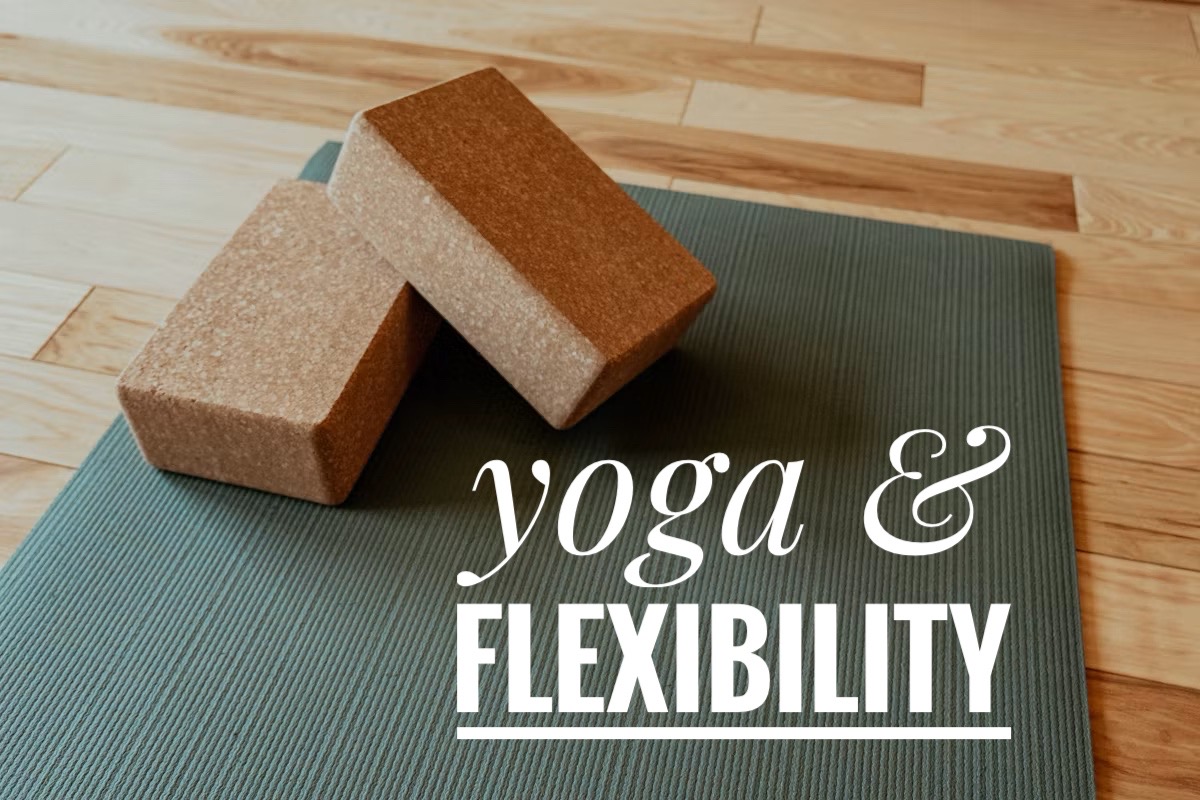
You can bend your knees, use blocks, sit on a cushion or adapt a pose to make it more comfortable. You don’t have to force yourself into a position just because someone else can do it. Blocks and cushions are there to help you with your practice and can sometimes be a way to even push you further! I know lots of students and teachers who have been doing yoga for years and will always practice with a block.
Yoga isn’t about making your body fit a pose. It’s about finding a version of the pose that works for you.
Will yoga make you more flexible?
It can! With regular practice, yoga may help improve your flexibility and range of motion over time.
But that’s not the only benefit.
Yoga can also help you work on your balance, strength, coordination and body awareness. It can give you a little time away from your phone, your to-do list and everything else going on in your head.
And sometimes, progress isn’t about reaching further or getting deeper into a stretch.
Maybe you feel more confident trying a new movement. Maybe you notice you’re holding tension in your shoulders. Maybe you finally give yourself permission to slow down for a bit.
One important thing to remember:
Just because you are more flexible doesn’t always mean better. If you have hypermobile joints, for example, focusing on strength and control can be more helpful than stretching further.
You don’t need to push your body to its limits to get something out of yoga.
A few tips if you’re a complete beginner
If you’ve been thinking about trying yoga but feel a little intimidated, here are a few things to remember:
- Start simple. You don’t need to jump straight into complicated poses.
- Use props. Yoga blocks and cushions can make movements more comfortable.
- Take breaks. You don’t have to keep up with everyone else.
- Listen to your body. A stretch should feel manageable, not painful.
- Stop comparing yourself. Your practice will look different from everyone else’s, and that’s okay.
And please don’t feel like you need to get fit, become flexible or practise at home for weeks before joining a class. Beginner classes exist for a reason!
You’re allowed to show up as a beginner. That’s literally how you learn.
It’s easy to think you need to be good at something before you start doing it. But imagine how many things we’d never try if we waited until we felt ready.
You don’t need to look a certain way, move a certain way or have any experience.
You can turn up feeling stiff, nervous, tired or completely clueless about what a downward-facing dog even is.
We’ve all got to start somewhere!
Yoga is an opportunity to move your body, slow down and spend a little time with yourself without worrying about getting everything right.
So, if you’ve been waiting until you’re more flexible to try yoga, take this as your sign to stop waiting.
You don’t have to be flexible to begin. You just have to begin.
Ready to give it a go?